“tropical fruits” search results (2000)

Introduction of Panamanian Rose Summer Coffee Bean Manor
The fragrance of flowers, tropical fruits, strong sweetness; these are the feelings that Rose Summer has always given us. Properly baked, they make you feel like sipping the fragrance of a bouquet of flowers. Maybe you don't know the story of Rosa, an ancient native species from Ethiopia that was brought into a coffee experimental garden in Costa Rica as a coffee sample.
2016-07-21 Panama Rose Summer Coffee beans Manors producing areas introduction Jade Flowers Tropical fruits
Two varieties of coffee are classified into Arabica and Robusta
At present, the main varieties of coffee grown in the world come from two original varieties: Arabica and Robusta. The planting methods, growth environment and other conditional characteristics of the two are different, and even the caffeine content is quite different. Arabica Robusta is mainly found in tropical Central and South America, Madagascar in west-central and eastern Africa, and Indonesian species in Asia.
2015-10-27 Coffee one variety classification Arabica Robusta at present full
Boutique coffee-two varieties of coffee: Arabica and Robusta
At present, the main varieties of coffee grown in the world come from two original varieties: Arabica and Robusta. The planting methods, growth environment and other conditional characteristics of the two are different, and even the caffeine content is quite different. Arabica Robusta is mainly found in tropical Central and South America, Madagascar in west-central and eastern Africa, and Indonesian species in Asia.
2016-06-27 Boutique coffee a variety Arabica Robusta at present all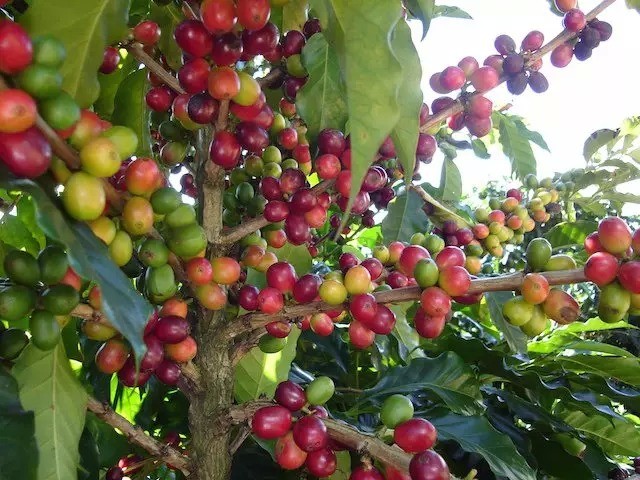
What is Rainforest Alliance Certified Rainforest Alliance?
Introduction: ─ coffee, the second largest agricultural product in circulation in the world, has changed the way this crop gets along with human beings and the environment through the relevant certification standards of the alliance. What is Rainforest Alliance Certified Rainforest Alliance? The Tropical Rainforest Alliance is a worldwide non-governmental organization (NGO) established in New York in 1987 to protect traditional agricultural laws to prevent excessive development.
2015-11-27 What? rainforest Alliance Certification Rainforest Allianc.
Talk about the basic knowledge of growing fine coffee
Coffee is now widely grown in the ribbon between the Tropic of Cancer. Coffee grown in different regions has different flavors. The unique soil, climatic conditions and planting methods of a country make the coffee produced in that country have a unique flavor. French winemakers call this phenomenon regional style. Geographically, there are three global coffee growing areas
2015-08-18 Talk about coffee planting boutique basics common sense now Tropic of Cancer occasional belt
Planting conditions of Coffee trees
The origin of the coffee tree is Ethiopia in Africa. In botany, coffee trees belong to the evergreen trees of the subgenus Rubiaceae, and coffee beans, commonly known as coffee beans, are actually the seeds of the fruit of coffee trees. They are called coffee beans only because they are shaped like beans. Climate is the decisive factor for coffee cultivation. Coffee trees are only suitable for growing in the tropics or subtropics, so latitude 25 degrees south and north.
2014-07-09 Coffee tree planting coffee tree planting conditions coffee beans
Tropical climate features glittering and translucent Rwandan coffee flavor, characteristics, taste and manor
Since the 1920s, Arabica coffee grown in Rwanda has been famous for its unique fruit sweetness and rich grass aroma. In recent years, the Rwandan government has taken positive measures to vigorously promote coffee production, set up coffee production cooperatives in various places, and give technical guidance and financial support to farmers, so that coffee production has made considerable progress. University of Rwanda
2016-08-31 Tropical climate characteristics crystal clear Rwanda coffee flavor taste manor
A brief discussion on the knowledge of Coffee beans Encyclopedia
1. Summary: coffee is a perennial evergreen shrub or small tree of Rubiaceae. It is native to tropical Africa and has been cultivated for more than 2000 years. The Arabs began to grow coffee in 525 BC, and it was popular for Arabs to stir-fry coffee beans. They began to grow coffee beans on a large scale after the 15th century, and were widely distributed in the tropics and subtropics of Europe, Asia, Africa and Latin America after the 18th century.
2014-11-12 Coffee knowledge boutique coffee science coffee beans coffee encyclopedia
Basic knowledge of coffee beans (2)
There is a noun called "Coffee Belt". There are more than 60 coffee producing countries in the world, most of which are located in the tropics and subtropics between the Tropic of Cancer (23 °26 'north and south).
2014-07-15 Coffee knowledge coffee basics coffee encyclopedia
Coffee beans are important raw materials for making beverages
1. Summary: coffee is a perennial evergreen shrub or small tree of Rubiaceae. It is native to tropical Africa and has been cultivated for more than 2000 years. The Arabs began to grow coffee in 525 BC, and it was popular for Arabs to stir-fry coffee beans. They began to grow coffee beans on a large scale after the 15th century, and were widely distributed in the tropics and subtropics of Europe, Asia, Africa and Latin America after the 18th century.
2015-09-22 Talking about coffee beans production beverages important raw materials overview coffee grass for many years
What is the difference between coffee and cocoa?
Cocoa (cacao) One of the world's three major beverage plants, originating in tropical America, can be used as beverages and chocolate, nutritious, mellow and fragrant. The cacao bean is the fruit of the cacao tree. Long before Columbus arrived in the United States, the inhabitants of tropical Central America, especially the Mayan and Aztec peoples, were known to use cacao beans not only as a beverage, but also as a means of intercourse.
2014-12-12 fine coffee common sense can be distinguished from what cacao also called
Coffee growing environment affects coffee growing environment and coffee quality Suitable soil and conditions
Coffee originated in tropical Africa, the origin of small species is the tropical plateau of Ethiopia, between 900 and 1800 meters above sea level, with an average annual temperature of 19. C. The medium-grained species originated in the tropical rain forest area of Congo, below 900 meters above sea level, with an annual average temperature of 21~26. C。They are native to shady or semi-shady forests and river valleys, so coffee needs calm wind, warm and humid
2016-01-22 coffee growth environment impact quality suitability soil condition origin
Variety and Flavor of Rosa Coffee
The fragrance of flowers, tropical fruits, strong sweetness; these are the feelings that Rose Summer has always given us. Properly baked, they make you feel like sipping the fragrance of a bouquet of flowers. Maybe you don't know the story of Rosa, an ancient native species from Ethiopia that was brought into a coffee experimental garden in Costa Rica as a coffee sample.
2016-06-08 Rose summer coffee variety flavor flower tropical fruit intensity sweetness these convenience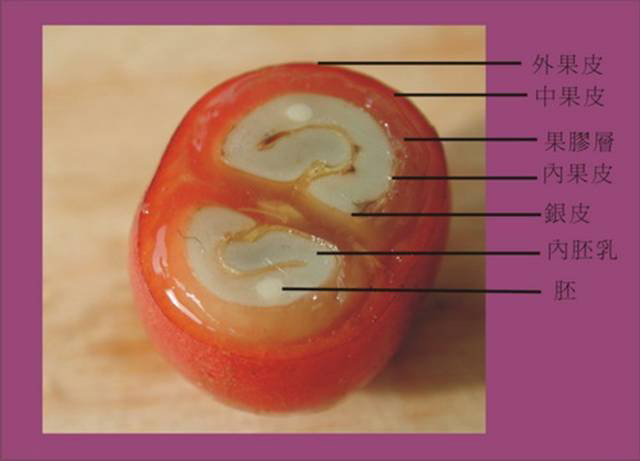
Coffee Botany-A detailed introduction of coffee fruits
Taste all the delicious coffee, think about the problems of universal value, and forget the original appearance that is precious and needs to be cherished. Coffee beans are not born this way, they are the result of a lot of hard work. 1. Academic name: Coffee L. 2. Family name: Rubiaceae. 3. Name: coffee shop (coffee) 4. Place of origin: coffee shop, tropical area (non-local)
2015-11-27 Coffee botany flowering and fruiting detail explanation taste all good coffee
Introduction to the Flavor of Fine Coffee beans in the Coffee Variety producing area of Incht Manor, Guatemala
Guatemala is located in the tropics, the northern and eastern coastal plains have a tropical rain forest climate, the southern mountains have a subtropical climate, the year is divided into two dry and wet seasons, with the wet season from May to October and the dry season from November to April of the following year. The narrow and fertile flatlands on the Pacific side of Guatemala have a tropical climate. The central plateau is also the cultural center of Guatemala, where the year-round temperature ranges from 1300 to 1800 meters.
2016-09-22 Taste slippery Guatemala Hutt Manor Coffee Variety producing area boutique
90 + Ethiopia Wellega (Waliga) and Sidama (Hidamo) producing areas. Nectar and berries
Origin of the name: in 2009, the coffee was named after Nectar from Shakisso, meaning it has the same flavor as nectar from the town of Shachiso in Hidamo province, Ethiopia. Nekisse is characterized by a creamy and smooth taste, a strong berry sauce, and some batches even have mixed flavors of citrus and a variety of tropical fruits. Although it was originally produced in Shakisso
2016-07-11 Ninety Ethiopia Wellega Wally Sidama Hilda production area
Coffee Knowledge What is Rainforest Alliance Certification
Have you ever heard of Rainforest Alliance certification when buying coffee beans? So what is Rainforest Alliance certification? The Rainforest Coalition for Coffee Training is a worldwide NGO established in New York in 1987. It aims to prevent over-exploitation by traditional agricultural laws, protect natural ecology on the one hand, and maintain good farm life on the other hand.
2014-10-08 Coffee knowledge Coffee encyclopedia Rainforest Alliance certification
Cultivation conditions of coffee "coffee belt" (Coffee Belt)
There is a noun called Coffee Belt. There are more than 60 coffee producing countries in the world, most of which are located in the tropics and subtropics between the Tropic of Cancer (latitude 2326). This coffee growing area is called a coffee belt or coffee area (Coffee Zone). The annual average temperature of the coffee belt is above 20 ℃, because the coffee tree is a tropical plant, and if the temperature is below 20 ℃,
2015-11-06 Coffee cultivation conditions coffee belt Belt there is a noun
Introduction to the characteristics of Guatemala Antigua Coffee Flavor Manor
Guatemala is located in the tropics, the northern and eastern coastal plains have a tropical rain forest climate, the southern mountains have a subtropical climate, the year is divided into two dry and wet seasons, with the wet season from May to October and the dry season from November to April of the following year. The narrow and fertile flatlands on the Pacific side of Guatemala have a tropical climate. The central plateau is also the cultural center of Guatemala, where the year-round temperature ranges from 1300 to 1800 meters.
2016-08-29 Rich aroma Guatemala Antioch coffee flavor taste manor producing area
Coffee trees take 3-5 years from planting to fruiting.
Coffee trees take 3-5 years from planting to fruiting. 6-10 years of coffee trees are the most likely to bear fruit, about 15-20 years, is the harvest period. Coffee trees are usually bred in nurseries and grow into saplings, and then moved to coffee farms a year later, in full compliance with the way the Arabs planted and cultivated coffee trees. Coffee trees will continue to take root downward and upward in the first four or five years of their growth.
2015-09-15 Coffee planting fruit 3-5 years old coffee